Best 18650 Flashlights
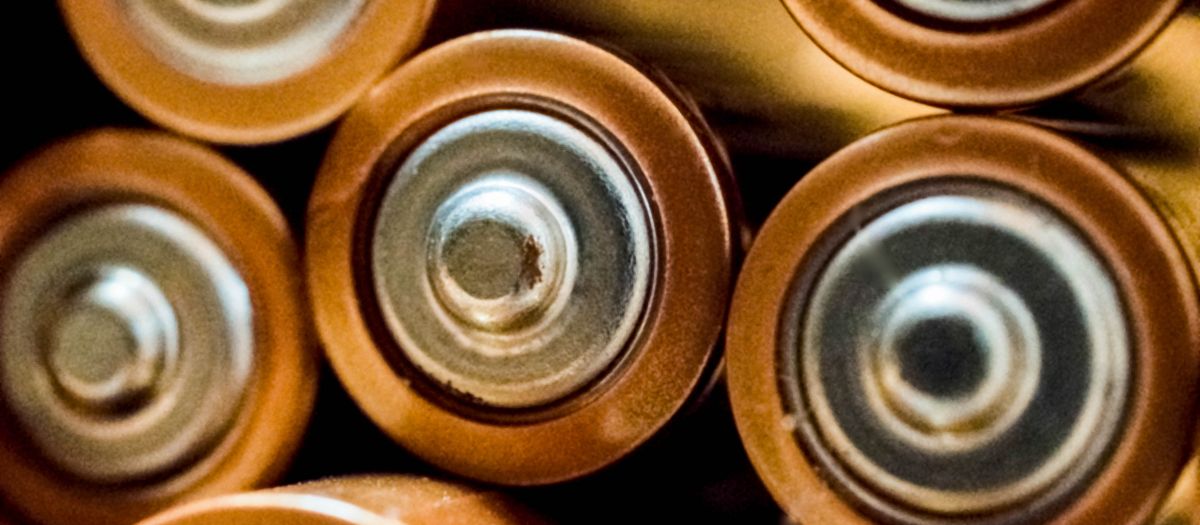
The 18650 is the workhorse cell of quality flashlights — high capacity in a pocketable body — so a single-18650 light is where most buyers should start. This guide explains the specs that decide which light suits you — max lumens, throw, runtime, battery, IP rating and emitter — then matches them to five categories: best overall, best budget, best high-output 18650, best with charger and best USB-C rechargeable. The verified picks appear in each slot once real product data is in.
A note on how to read this. There is no single "best" 18650 flashlight for everyone — the right one depends on whether you want maximum output, USB-C convenience, a bundled charger, or the lowest price from a reputable maker. So the value here is the framework: what each spec changes, plus the cell and charger knowledge that turns a good light into a system you can rely on. The 18650 matters because it's the cell that makes honest, sustained output possible — far more energy than a AA in a body that still fits a pocket — which is why nearly every serious flashlight is built around one. Get the light right and the cell and charger right together, and you have a light that holds real output for hours and lasts years. Read the framework first, then look at the picks.
Lumens, runtime, throw (candela/metres), IP rating, battery type and weight are quoted from the manufacturer's published ANSI/NEMA FL-1 figures and current Amazon listings — no hands-on lux or throw testing claims. Li-ion safety: follow the cell and charger manufacturer's instructions; never charge damaged cells or use an unrated charger.
How to choose an 18650 flashlight
A handful of specs decide whether a light suits you: the FL-1 max lumens and the runtime-to-10% from a single cell, the throw for reach, the cell format and charging (swappable vs built-in USB-C), the IP rating and the emitter. These are exactly the columns in the comparison below — read what each one changes, then read the table.
What the 18650 cell actually is
The 18650 is a rechargeable lithium-ion cell, 18mm wide and 65mm long — the numbers are the dimensions. It holds far more energy than a AA, typically 2,000mAh to 3,500mAh, which is why a single-18650 light can run high output for hours where a AA light would fade in minutes. Its nominal voltage is about 3.6–3.7V, it charges to roughly 4.2V full, and it's considered empty around 2.5–3.0V. That voltage behaviour is also why a regulated 18650 light holds steady output until the cell nears empty rather than dimming the whole way down.
Cells come in a few variations that matter for fit. Protected cells carry a small circuit guarding against over-discharge and short circuits, and are slightly longer; unprotected cells are shorter and used in lights with their own built-in protection. Button-top and flat-top describe the positive end, and some lights only seat one or the other. The safe move is to use the cell type your light's maker recommends and confirm fit with the battery checker before you buy a spare.
Max lumens and runtime from one cell
Output and runtime both come from that single cell, so they trade against each other. The ANSI/NEMA FL-1 standard quotes a max lumens figure and a separate runtime-to-10% — how long the light runs before dropping to a tenth of its starting output. A higher-capacity cell (a 3,500mAh versus a 2,000mAh) gives more runtime or more sustained output, which is why the cell you pair with the light matters as much as the light's mode does. Spec-by-spec, a 1,000-lumen 18650 light on a 2,000mAh cell holds a usable ~300 lumens for roughly two and a half hours; the same light on a 3,500mAh cell runs noticeably longer.
As with any light, read the sustained figure, not the turbo. A regulated 18650 light holds its chosen output flat, then steps down to protect the cell and manage heat — that's normal. The cheap torches quote a peak they can't hold. Judge an 18650 light by what it sustains on a known cell, and match the output band to your use with the flashlight matcher.
Charging — swappable, built-in USB-C, or both
How the light charges shapes how you live with it. A swappable 18650 lets you carry a charged spare and keep going when the first cell runs flat, and lets you replace an aged cell years later. A built-in USB-C cell is convenient — top up from any cable, no separate charger — but when it's dead you wait for it to charge, and you can't swap in a fresh cell. Many modern lights offer the best of both: a swappable 18650 with onboard USB-C charging, so you can top up in the light or swap a spare as the situation demands.
If you choose a swappable light, a quality standalone charger is part of the kit — it charges spares, reports cell health, and is rated for the cell. The best with charger slot is for buyers who want a light and a known-good charger together rather than sourcing them separately. Whatever you pick, the cell and charger should be rated for each other, which is where the factual Li-ion safety below comes in.
IP rating, emitter and build
The remaining specs round out the light around the cell. The IP rating tells you how it handles dust and water — IPX8 (submersible) or IP67/IP68 (dust and water sealed) is what most everyday and outdoor use wants, and it's published to the FL-1 standard so check it rather than guess. The emitter sets the ceiling on output, beam quality and tint; a modern high-output LED behind a good reflector or optic is what turns the cell's energy into a clean, usable beam. High-output emitters carry a factual eye-safety note: don't stare into the beam and don't point it at anyone's eyes.
Build and beam shape decide how the light feels in the hand. Throw is measured in candela — the FL-1 distance in metres is roughly two times the square root of the candela figure — so a deep-reflector 18650 light reaches further than a floody one of the same lumens. A pocket clip, a tail switch you can work by feel, and a body that survives a drop are the details that make an 18650 light a daily tool rather than a drawer light. Read the emitter, beam and build together with the cell — that pairing is what makes an 18650 light worth keeping.
| Best for | Max lumens | Throw (m) | Runtime | Battery | Emitter |
|---|---|---|---|---|---|
| Best overall | 2800 lm | ~380 m (416 yd) | Up to 42 h (Eco) | USB-C rechargeable (hidden charging port) | Not listed |
| Best budget | 1200 lm | Not listed | Not listed | 18650 (USB-C rechargeable) | Not listed |
| Best high-output 18650 | 4000 lm | ~221 m (242 yd) | Up to 350 h (Ultralow) | USB-C rechargeable (sealed charging port) | Not listed |
| Best with charger | 2000 lm | Not listed | Not listed | Built-in (MagCable dock) | Not listed |
| Best USB-C rechargeable | 2000 lm | Not listed | Not listed | Built-in (USB-C direct charge) | Not listed |
Our top picks
Best overall: Fenix PD36R Pro 2800 Lumen USB-C Rechargeable Tactical Flashlight

Best overall
Fenix PD36R Pro 2800 Lumen USB-C Rechargeable Tactical Flashlight
Fenix
- Max lumens: 2800 lm
- Throw (m): ~380 m (416 yd)
- Runtime: Up to 42 h (Eco)
- Battery: USB-C rechargeable (hidden charging port)
- IP rating: IP68
- Emitter: Not listed
The Fenix PD36R Pro reaches 2800 lumens with a 416-yard beam, a large tactical tail switch plus a function switch with instant strobe, USB-C charging behind a hidden port and an IP68-rated A6061-T6 aluminium body.
Last checked 2026-10-09
Best budget: WUBEN C3 LED Rechargeable Flashlight High Lumens 1200 lm USB C Charging Tactical Flashlight IPX8 Waterproof Zoomable EDC

Best budget
WUBEN C3 LED Rechargeable Flashlight High Lumens 1200 lm USB C Charging Tactical Flashlight IPX8 Waterproof Zoomable EDC
WUBEN
- Max lumens: 1200 lm
- Throw (m): Not listed
- Runtime: Not listed
- Battery: 18650 (USB-C rechargeable)
- IP rating: IP68
- Emitter: Not listed
The WUBEN C3 packs 1200 lumens into an IP68-rated 18650 body with USB-C recharging, offering strong value at a budget price point.
Last checked 2026-10-09
Best high-output 18650: Nitecore P20iX 4000 Lumen USB-C Rechargeable Tactical Flashlight

Best high-output 18650
Nitecore P20iX 4000 Lumen USB-C Rechargeable Tactical Flashlight
Nitecore
- Max lumens: 4000 lm
- Throw (m): ~221 m (242 yd)
- Runtime: Up to 350 h (Ultralow)
- Battery: USB-C rechargeable (sealed charging port)
- IP rating: IP68
- Emitter: Not listed
The Nitecore P20iX delivers up to 4000 lumens and a 242-yard beam from a 5.57-inch aircraft-aluminium body, with dual tail switches, a Tactical mode with instant Turbo and Strobe, USB-C charging and IP68 waterproofing.
Last checked 2026-10-09
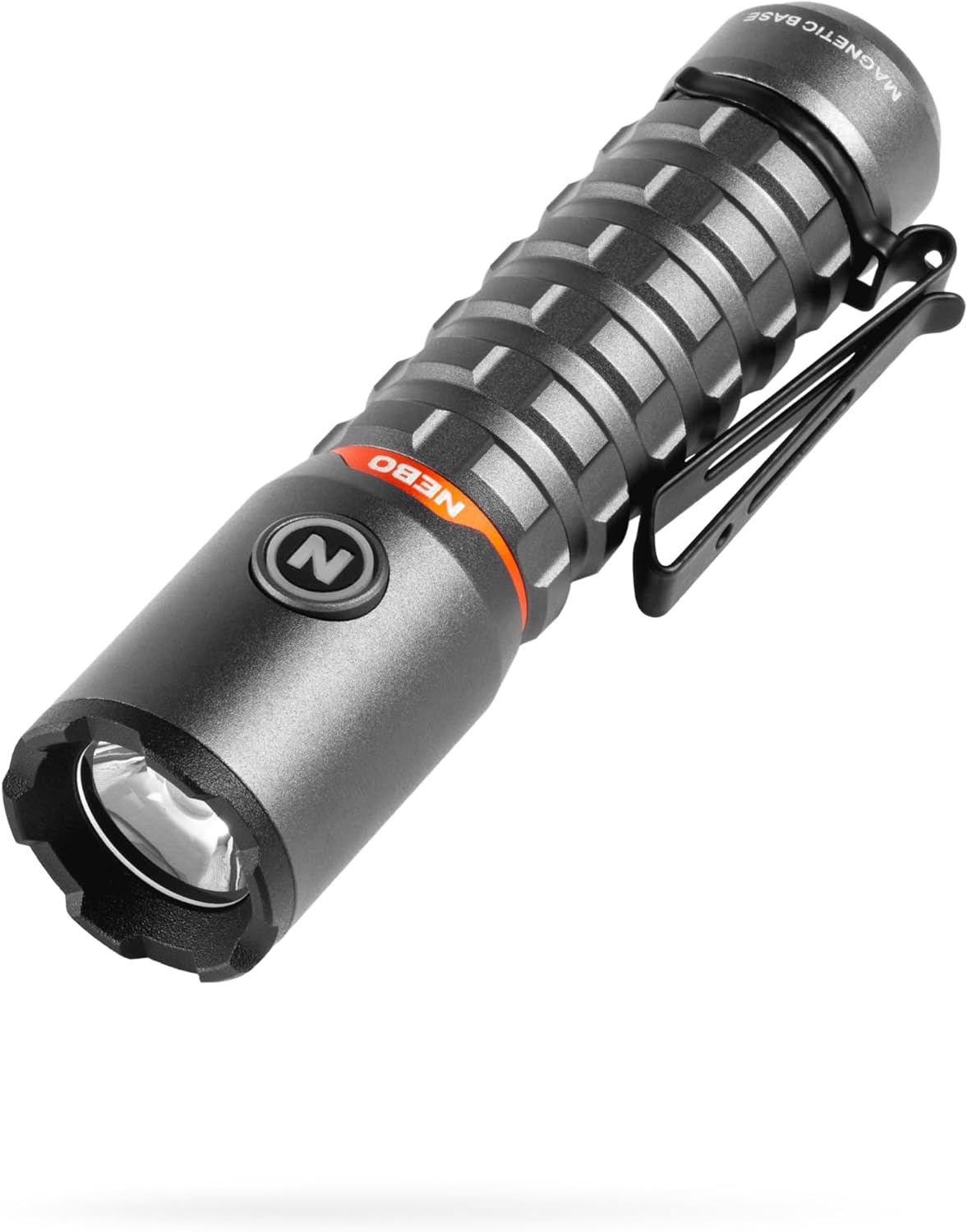
Best with charger: NEBO Torchy 2K Rechargeable Pocket Flashlight | 2000 Lumen Rechargeable Pocket Flashlight, 5 LED Light Modes, Water & Impact Resistant for Camping, Hunting, Hiking
Best with charger
NEBO Torchy 2K Rechargeable Pocket Flashlight | 2000 Lumen Rechargeable Pocket Flashlight, 5 LED Light Modes, Water & Impact Resistant for Camping, Hunting, Hiking
NEBO
- Max lumens: 2000 lm
- Throw (m): Not listed
- Runtime: Not listed
- Battery: Built-in (MagCable dock)
- IP rating: Water resistant
- Emitter: Not listed
The NEBO Torchy 2K delivers 2000 lumens and includes a MagCable magnetic charging dock, making it the top pick for buyers who want a charger bundled in the box.
Last checked 2026-10-09
Best USB-C rechargeable: Wurkkos TD02 Tactical Flashlight, 2000 Lumens, USB-C Rechargeable, IPX8 Waterproof Dual-Switch LED Flashlight

Best USB-C rechargeable
Wurkkos TD02 Tactical Flashlight, 2000 Lumens, USB-C Rechargeable, IPX8 Waterproof Dual-Switch LED Flashlight
Wurkkos
- Max lumens: 2000 lm
- Throw (m): Not listed
- Runtime: Not listed
- Battery: Built-in (USB-C direct charge)
- IP rating: IPX8
- Emitter: Not listed
The Wurkkos TD02 charges directly via USB-C without removing the battery, reaching 2000 lumens with IPX8 waterproofing at an entry-level price.
Last checked 2026-10-09
Who should buy what
The all-rounder — best overall and best budget
If you want one 18650 light to do everything, the best overall and best budget slots point the same way: a single-18650 light with strong regulated output, good runtime from a quality cell, and a sensible UI. Spec-by-spec, that's the combination that gives you usable output for any task and hours of runtime in a body that still fits a pocket. The budget slot trades a little output, a lower-tier emitter or a simpler build for a lower price — the right call for a first 18650 light or a second one for the truck.
The honest trade-off is that an all-rounder is a balance rather than a specialist. For most buyers that's exactly right, because the 18650 platform is forgiving — even a modest light on a good cell out-runs almost anything on AAs. Start here, learn what you actually want, and you'll know whether to reach for the high-output or USB-C slots next.
The maximiser — best high-output 18650
The best high-output 18650 slot is for the buyer who wants the most a single cell can deliver. The figure that matters is real, measured FL-1 output paired with the sustained level it holds, and a high-drain cell that can feed the emitter the current it needs. Spec-by-spec, a high-output 18650 light pushes strong turbo for a short burst, then regulates down to a sustainable level — pairing it with a high-capacity, high-drain cell is what keeps that sustained figure usable.
The trade-off is heat and runtime: a high-output light runs hot and burns through a cell faster on its top modes, so a spare cell in a case is part of the kit. If you genuinely use the brightness it's worth it; if you mostly work on lower modes, the overall band gives you longer runtime for less heat. For sheer output, this is also where the broader best tactical flashlight picks overlap.
The convenience buyer — best USB-C rechargeable and best with charger
The best USB-C rechargeable and best with charger slots are about how you keep the light fed. A USB-C light tops up from any cable with no separate charger — the simplest path for someone who'd rather not manage cells, especially a light with a swappable 18650 and onboard USB-C so you get convenience and the option of a spare. The best-with-charger slot suits buyers who want a known-good standalone charger in the box, which charges spares, reports cell health and is rated for the cell.
The trade-off comes down to how far from a power source you roam. A built-in-only USB-C cell means waiting when it's flat, while a swappable cell plus a charger lets you rotate cells indefinitely. For most everyday users USB-C convenience wins; for heavy users and anyone off-grid, a swappable cell and a quality charger is the more flexible system. Confirm any spare cell fits with the battery checker before you buy.
Li-ion cell and charger safety
An 18650 light is only as safe as how you treat its cell, and the rules are factual and simple. Charge 18650 cells only on a charger rated for that cell, never charge a damaged or swollen cell, and never carry loose cells where they can short against keys or coins — use a cell case. Follow the cell and charger manufacturer's instructions, and when in doubt, use the maker's recommended cell and charger. These aren't fussy precautions; they're how a Li-ion cell stays a reliable power source rather than a hazard, and they're the manufacturer's own guidance, not improvised advice.
What to buy alongside the light
An 18650 light pairs with a good charger and a spare cell — keep a fresh cell in a case so you’re never stuck. A handheld and a headlamp round out the kit: the best EDC flashlights and the best headlamps guides compare those. Check cell compatibility with the battery checker, and match output to your use case with the flashlight matcher.
Frequently asked questions
What is the best 18650 flashlight?
The best 18650 light pairs strong regulated output with good runtime from a single cell, plus a quality cell and charger. The right one depends on whether you want maximum output, USB-C convenience or a bundled charger. Verified picks land on this page once real product data is in.
What is an 18650 battery?
An 18650 is a rechargeable lithium-ion cell, 18mm wide and 65mm long, used in most quality flashlights. It holds far more energy than a AA, which is why a single 18650 light can run high output for hours. Cells come protected or unprotected and button-top or flat-top — check what your light needs. Capacity typically ranges from about 2,000mAh to 3,500mAh, and that figure is what sets a light’s runtime as much as its output mode does.
What is the voltage of an 18650 battery?
A standard 18650 lithium-ion cell has a nominal voltage of about 3.6–3.7V, charges to roughly 4.2V full, and is considered empty around 2.5–3.0V. Always charge on a charger rated for the cell and follow the cell and charger manufacturer’s instructions — never charge a damaged or swollen cell. The voltage curve is why a regulated light holds steady output until the cell nears empty, rather than dimming the whole way down.
Should I get protected or unprotected 18650 cells?
Protected cells have a small circuit that guards against over-discharge and short circuits, and are slightly longer — a safe default for most users. Unprotected cells are shorter and used in lights with built-in protection. Use the cell type your light’s maker recommends, and check fit with the battery checker. The extra length of a protected cell can mean it won’t fit a light designed around an unprotected one, so confirm before you buy.
How do I safely charge and carry 18650 cells?
Charge 18650 cells only on a charger rated for that cell, never charge damaged or swollen cells, and never carry loose cells where they can short against keys or coins — use a cell case. Follow the cell and charger manufacturer’s instructions. When in doubt, use the maker’s recommended cell and charger.
What is the difference between 18650 and 21700 batteries?
A 21700 is a larger lithium-ion cell — 21mm wide and 70mm long — that holds more energy than an 18650, typically 4,000–5,000mAh against 2,000–3,500mAh. That extra capacity means more runtime or more sustained output, at the cost of a slightly bigger, heavier light. An 18650 is the more pocketable workhorse; a 21700 is the choice when runtime or output matters more than size. The two are not interchangeable in the same light.
Is a built-in USB-C light better than a swappable 18650?
Each has a trade-off. A built-in USB-C cell is convenient — top up from any cable, no separate charger — but you can’t swap a flat cell for a fresh one, so when it’s dead you wait. A swappable 18650 lets you carry a charged spare and keep going, and lets you replace the cell years later when it ages. Many lights now offer both: a swappable 18650 with onboard USB-C charging, which is the most flexible option.