Best Headlamps
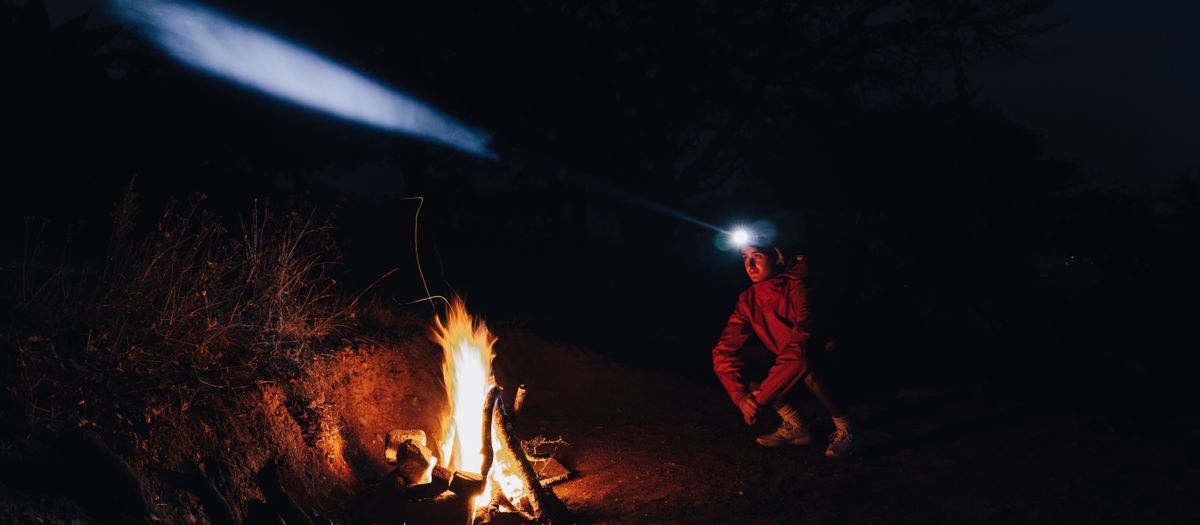
The best headlamp is the one that does the job hands-free and lasts the night — not the one with the biggest number on the box. This guide explains the specs that decide which headlamp suits you — max lumens, throw, beam type, runtime, battery and weight — then matches them to five categories: best overall, best budget, best for hard hat, best rechargeable and best for hunting / fishing. The verified picks appear in each slot once real product data is in.
A note on how to read this. There is no single "best" headlamp for everyone — the right one depends on the job (close-up work versus spotting at distance), how long you need it to run, the battery format you want to live with, and how it sits on your head over a long night. So the value here is the framework: what each spec changes, so you can shortlist a headlamp that matches your situation rather than chase a headline number. The trap with headlamps is the same one that burns flashlight buyers — a box that shouts a big peak lumen figure that lasts a minute or two before the light steps down to protect itself and save the cell. A headlamp that holds 250 honest lumens of flood for six hours beats one that flashes 1,200 and dims before you've finished the first task. Read the framework first, then look at the picks.
Lumens, runtime, throw (candela/metres), IP rating, battery type and weight are quoted from the manufacturer's published ANSI/NEMA FL-1 figures and current Amazon listings — no hands-on lux or throw testing claims. Where a maker doesn't publish an FL-1 figure we say so.
How to choose a headlamp
A handful of specs decide whether a headlamp suits you: the FL-1 max lumens and the runtime-to-10% that comes with it, the throw and beam type for your job, the battery format, and the weight on your head over a long night. These are exactly the columns in the comparison below — read what each one changes, then read the table.
Max lumens and runtime — read them together
Lumens measure total light output, but the figure that matters is not the peak printed on the box. The ANSI/NEMA FL-1 standard quotes a max lumens number and, separately, the runtime-to-10% — how long the headlamp runs before it drops to a tenth of that starting output. Many headlamps hit their headline number for a minute or two on turbo, then step down to a sustainable level to manage heat and protect the cell. Spec-by-spec, a 600-lumen headlamp that holds around 250 regulated lumens for five or six hours is more useful for a night of work than one that flashes 1,000 lumens and steps down inside ninety seconds. Always read the two figures together.
How much output you actually need is lower than the marketing suggests. For close-up tasks — wiring a junction box, reading a map, pitching a tent — 200 to 400 lumens of flood is plenty, and running a headlamp flat-out there just blinds you with reflected glare. For spotting at distance, walking a trail, or hunting and fishing, 500 to 1,000-plus lumens earns its keep. The honest question is not "how bright can I get" but "how much output does my job need, and for how long". Run the flashlight matcher to turn your use case into a recommended output band.
Beam type and throw — flood, spot, or both
Beam type is the spec that decides whether a headlamp actually suits the work, and it is the one buyers most often get wrong. Flood is a wide, even wash of light for everything within arm's reach and a few metres beyond — the right beam for tasks, camp chores and close work. Throw is a tighter, more focused beam that reaches further, measured in candela; the FL-1 distance in metres is roughly two times the square root of the candela figure. A headlamp built for throw spots an animal or a trail marker at distance but lights a workbench poorly, washing out the centre and leaving your hands in shadow at the edges.
For most people a blended or dual-beam headlamp is the safe answer — a flood for close work plus a tighter spot when you need reach. If you only ever work up close, a pure flood is more comfortable and less dazzling; if you spend your nights spotting at distance, a thrower (sometimes sold as a "laser headlamp" for its narrow, far-reaching beam) is what you want. The headlamps hub walks the beam-type differences in plain English if you want the longer comparison.
Battery — rechargeable, AA/AAA, or both
Battery format decides output, running cost and how you live with the headlamp. Rechargeable headlamps — built-in packs or swappable 18650/21700 Li-ion cells — give the highest output and the lowest running cost, which is why they dominate the higher tiers. AA and AAA headlamps trade some output for convenience: the cells are available anywhere, which makes them ideal for a glovebox, a backup, or a long trip away from a charger. Some headlamps accept both a Li-ion pack and disposable cells, which is the most flexible option for hunters, hikers and anyone heading off-grid.
If a headlamp uses a swappable 18650, you get the same advantage a good flashlight gives you — carry a charged spare cell and you're never waiting on a charge. That cell and charger advice carries over directly from the best 18650 flashlight guide, and the battery checker confirms which cells and chargers pair with a given format. Li-ion safety is factual and non-negotiable: charge cells only on a charger rated for that cell, never use a damaged or swollen cell, and never carry loose cells where they can short against keys or coins — use a cell case, and follow the cell and charger manufacturer's instructions.
Weight, comfort and mounting
The spec sheet rarely sells comfort, but it is what decides whether you wear the headlamp for a full shift or take it off after an hour. Weight on the head matters more as the night gets longer: a light front-mounted unit is fine for short tasks, while a heavier high-output headlamp is more comfortable with the cell pack moved to the back of the strap to balance the load. Look at the published weight, whether the cell is head-mounted or rear-mounted, and whether the strap is a simple band or a band-plus-overhead for heavier units.
Mounting is the other half of fit, and it is what separates a hard-hat headlamp from a hiking one. A hard-hat headlamp needs clips or a strap that fits the helmet brim and a tilt mechanism that aims the beam down at your hands rather than out at the far wall. A hiking or hunting headlamp prioritises a comfortable elastic strap and a low-profile body. The IP rating belongs here too — IP54 or better handles jobsite dust and rain, IPX4 covers splashes, and a higher figure suits wet-weather hunting and fishing.
| Best for | Max lumens | Throw (m) | Beam type | Runtime | Battery |
|---|---|---|---|---|---|
| Best overall | 1100 lm | Not listed | Spot + flood (reactive) | Varies (reactive mode) | Li-Ion 2350 mAh, USB-C |
| Best budget | 350 lm | Not listed | Flood + red | Not listed | AAA × 3 |
| Best for hard hat | 1500 lm | Not listed | Wide beam 230° | 6h (high) / 12h (low) | Built-in 5000 mAh, USB-C |
| Best rechargeable | 400 lm | Not listed | Spot + flood + red | Not listed | Li-Ion 1500 mAh, Micro-USB |
| Best for hunting / fishing | 1200 lm | ~175 m | Spotlight + floodlight + red | Up to 141h (low) | Li-Ion, USB-C |
Our top picks
Best overall: PETZL Swift RL Headlamp - Lightweight & Rechargeable 1100 Lumen Headlamp - Black

Best overall
PETZL Swift RL Headlamp - Lightweight & Rechargeable 1100 Lumen Headlamp - Black
PETZL
- Max lumens: 1100 lm
- Throw (m): Not listed
- Beam type: Spot + flood (reactive)
- Runtime: Varies (reactive mode)
- Battery: Li-Ion 2350 mAh, USB-C
- Weight: 100 g
The Petzl Swift RL uses a light sensor to automatically adjust beam pattern and brightness, delivering up to 1100 lumens in a 100g rechargeable package for running, mountaineering, and skiing.
Last checked 2026-06-14
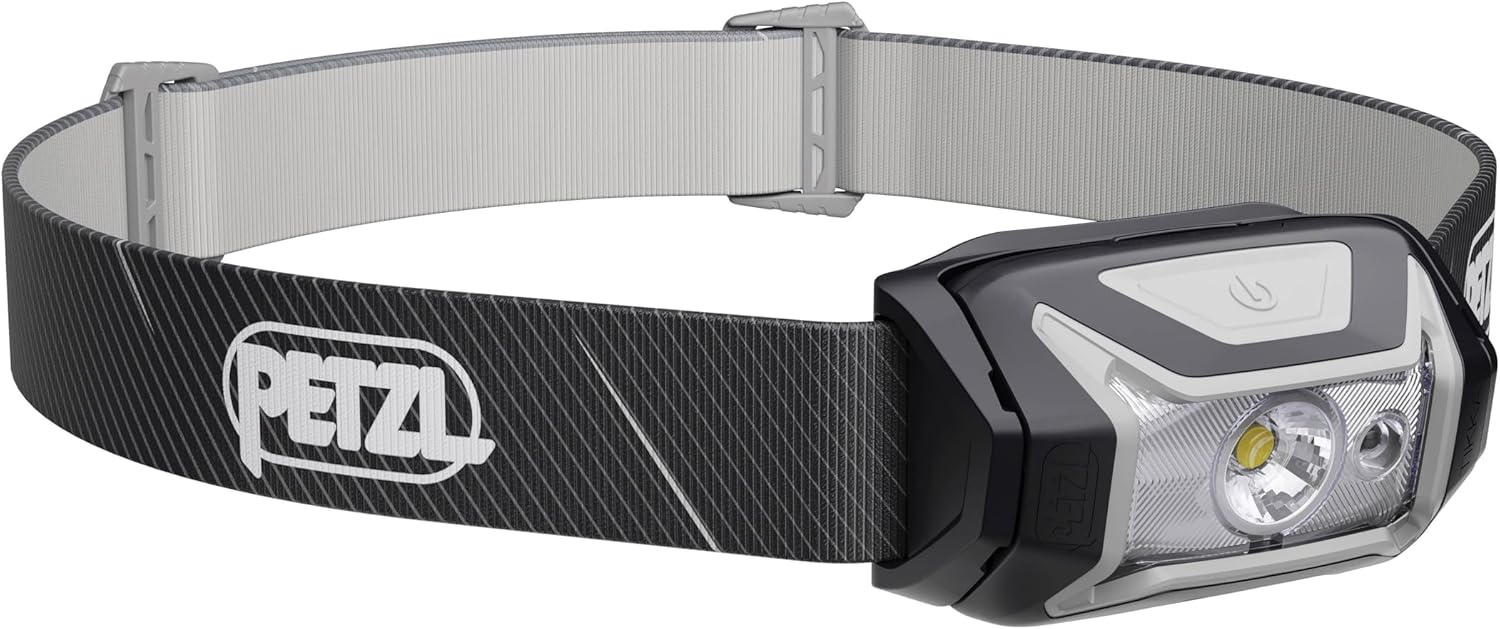
Best budget: PETZL Tikka Headlamp - Compact 350 Lumen Light with Red Lighting, for Hiking, Climbing, Running, and Camping - Black
Best budget
PETZL Tikka Headlamp - Compact 350 Lumen Light with Red Lighting, for Hiking, Climbing, Running, and Camping - Black
PETZL
- Max lumens: 350 lm
- Throw (m): Not listed
- Beam type: Flood + red
- Runtime: Not listed
- Battery: AAA × 3
- Weight: 94 g
The Petzl Tikka is a compact 94g headlamp with 350 lumens, red night-vision mode, and a tiltable beam — Petzl quality at a budget entry price.
Last checked 2026-06-14
Best for hard hat: LED Headlamp Rechargeable, Super Bright 1500 Lumens 230° Wide Beam Headlamp, 3 Modes IPX6 Waterproof Lightweight Head Light with Taillight & Clips for Camping, Running, Fishing, Outdoors, Hard Hat Work

Best for hard hat
LED Headlamp Rechargeable, Super Bright 1500 Lumens 230° Wide Beam Headlamp, 3 Modes IPX6 Waterproof Lightweight Head Light with Taillight & Clips for Camping, Running, Fishing, Outdoors, Hard Hat Work
Not listed
- Max lumens: 1500 lm
- Throw (m): Not listed
- Beam type: Wide beam 230°
- Runtime: 6h (high) / 12h (low)
- Battery: Built-in 5000 mAh, USB-C
- Weight: Not listed
This wide-beam rechargeable headlamp includes 8 hard-hat clips, a 230° flood beam for broad-area task lighting, and a 5000 mAh USB-C battery — purpose-built for site and construction use.
Last checked 2026-06-14
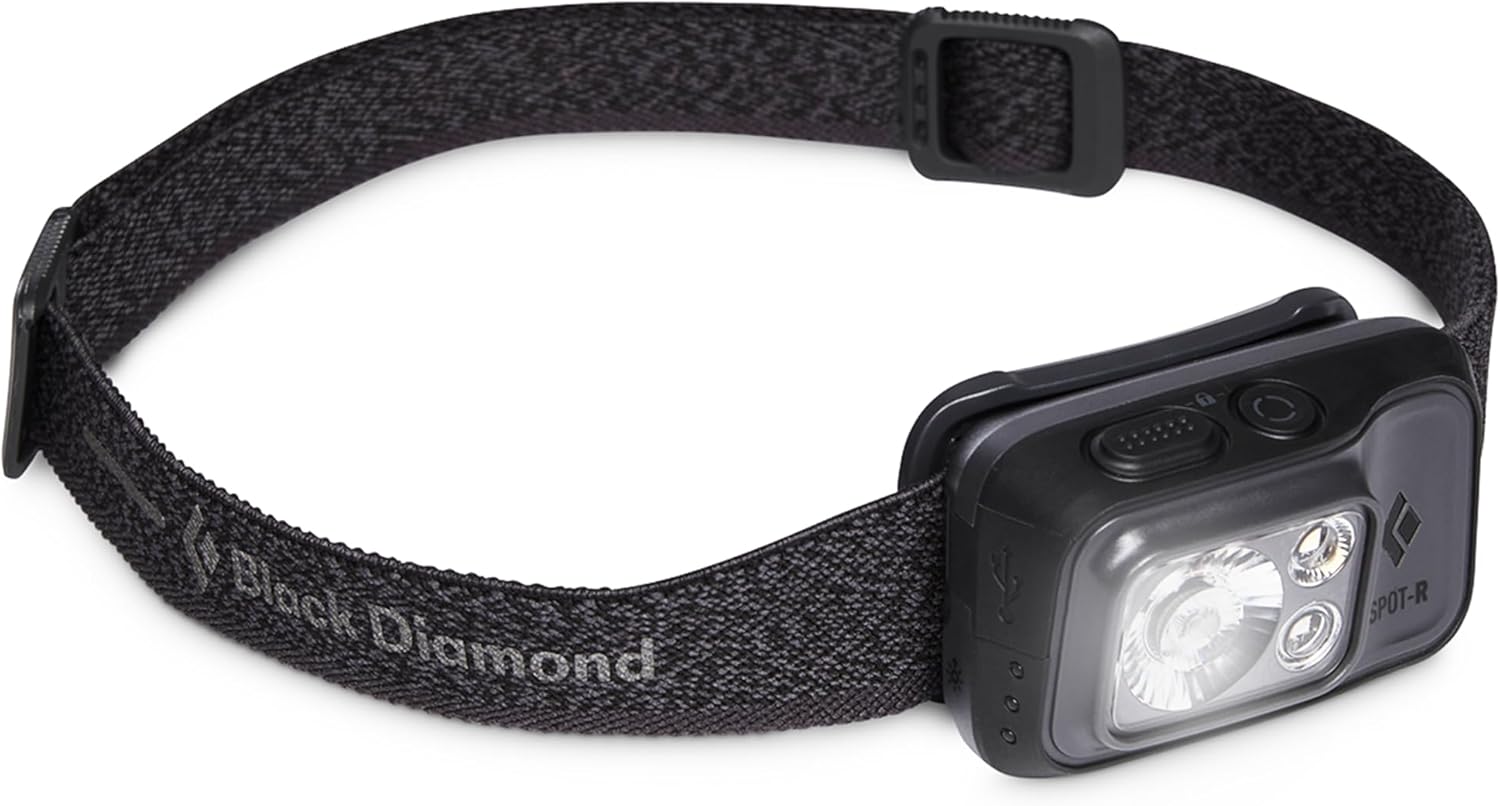
Best rechargeable: BLACK DIAMOND Spot 400-R Rechargeable Headlamp | 400 Lumens, Dimmable | Micro-USB Charging | Waterproof & Compact | Camping, Hiking, Running | Graphite
Best rechargeable
BLACK DIAMOND Spot 400-R Rechargeable Headlamp | 400 Lumens, Dimmable | Micro-USB Charging | Waterproof & Compact | Camping, Hiking, Running | Graphite
Black Diamond
- Max lumens: 400 lm
- Throw (m): Not listed
- Beam type: Spot + flood + red
- Runtime: Not listed
- Battery: Li-Ion 1500 mAh, Micro-USB
- Weight: Not listed
The Black Diamond Spot 400-R is a fully waterproof (IP67) rechargeable headlamp with dimming, strobe, and red night-vision modes — the benchmark recharger from a trusted outdoor brand.
Last checked 2026-06-14
Best for hunting / fishing: Fenix HM55R Rechargeable Headlamp, 1200 Lumen Spotlight Floodlight & Red Light, Lightweight, Long Runtime, USB-C Charging, Waterproof for Camping, Hiking, Running with Lumentac Organizer (Black)

Best for hunting / fishing
Fenix HM55R Rechargeable Headlamp, 1200 Lumen Spotlight Floodlight & Red Light, Lightweight, Long Runtime, USB-C Charging, Waterproof for Camping, Hiking, Running with Lumentac Organizer (Black)
Fenix
- Max lumens: 1200 lm
- Throw (m): ~175 m
- Beam type: Spotlight + floodlight + red
- Runtime: Up to 141h (low)
- Battery: Li-Ion, USB-C
- Weight: 105 g (3.70 oz)
The Fenix HM55R combines a focused spotlight, wide floodlight, and red night-vision mode in a 105g rechargeable headlamp — the top pick for hunters and anglers who need beam versatility.
Last checked 2026-06-14
Who should buy what
The all-rounder — best overall and best budget
If you want one headlamp to cover work, camping and the odd night walk, the best overall and best budget slots point the same way: a rechargeable headlamp in the 300–1,000 lumen band with a blended flood-and-spot beam and a comfortable strap. Spec-by-spec, that combination gives you usable output for almost any task and runtime that survives a long evening, without the weight or heat of a high-output unit you rarely need. The budget slot trades a little output, IP rating or strap refinement for a lower price — the sensible pick if this is a secondary or occasional-use headlamp rather than a daily workhorse.
The honest trade-off is that an all-rounder is a compromise by design: it floods well enough and throws far enough without being the best at either. For most buyers that compromise is exactly right, because a headlamp you'll actually reach for beats a specialist that only suits one job. If your nights are split between close work and the occasional spot at distance, this is the band to shop.
The tradie — best for hard hat
The best for hard hat slot is built around fit and durability rather than peak output. The figures that matter here are the IP rating (IP54 or better for jobsite dust and rain), a flood-biased beam for close work, a tilt mechanism that aims the light at your hands, and helmet clips or a strap that fits the brim. Output in the 300–600 lumen band is usually plenty for working up close, and a regulated, steady beam matters more than a big turbo number you'd never run inside a switchboard.
Runtime and charging are the practical deciders for a working day. Many tradies prefer a rechargeable with a swappable cell or a magnetic charge so the headlamp is topped up between jobs, and a spare 18650 in a cell case means a flat battery never ends a shift. The trade-off versus a hunting or hiking headlamp is reach — a hard-hat unit floods beautifully up close but won't spot across a yard — which is exactly the right call for the work it's built for.
The hunter and angler — best for hunting / fishing
The best for hunting / fishing slot is where throw earns its place. Spotting eyes at distance, following a blood trail, or working a riverbank at night all reward a tighter, far-reaching beam, so the candela and FL-1 throw figure matter here more than raw lumens. Many hunting headlamps add a coloured secondary beam — red or green — to preserve night vision and avoid spooking game, and a higher IP rating handles wet-weather use. This is the one category where chasing throw over flood is the correct priority.
The trade-off is close-up usability and runtime. A thrower lights a workbench or a tent poorly, and running a tight high-candela beam burns through a cell faster than a steady flood. Hunters and anglers who range far from a charger often want a headlamp that accepts both a Li-ion pack and disposable AA/AAA cells, so a dead battery in the field is a swap rather than a wasted night.
The maximiser — best rechargeable, highest output
The best rechargeable slot suits the buyer who wants the most a headlamp can deliver: high regulated output, the lowest running cost, and the convenience of charging rather than buying cells. These units typically run a single 18650 or 21700 and sit at the top of the output and runtime range. Spec-by-spec, a quality rechargeable holds strong, steady output for hours where a AA/AAA headlamp would fade — the right tool if you genuinely use the brightness and don't mind the extra weight and the need to keep it charged.
The trade-off is dependence on a charge and the slightly higher weight of a Li-ion pack. For a daily heavy user that's a fair deal; for someone who pulls a headlamp out a few times a year, a simpler AA/AAA unit or an all-rounder is the more sensible buy. As with any 18650 light, the cell and charger stack matters — see the best 18650 flashlight guide and run the battery checker to match cells and chargers.
What to buy alongside the headlamp
A headlamp is the start of a small, natural cart. Cells and charging come next — see the best 18650 flashlight guide for the battery and charger stack. A handheld light rides alongside it: the best EDC flashlights guide compares those. And the flashlight matcher turns your use case into a recommended output band.
Frequently asked questions
What is the best headlamp for most people?
For most people a rechargeable headlamp in the 300–1,000 lumen range with a usable flood and a tighter spot covers work, hunting and camping. Output matters less than a comfortable strap, a beam type that suits the job, and runtime that lasts the night. Verified picks land on this page once real product data is in.
How many lumens does a headlamp need?
For close-up work and camping, 200–400 lumens is plenty; for spotting at distance or hunting, 500–1,000+ helps. Read the ANSI FL-1 figure and the runtime-to-10%, not the peak — a headlamp that holds steady output for hours beats one that flashes a big number and dims fast. Spec-by-spec, a headlamp that holds 250 regulated lumens of flood for six hours will out-work one that flashes 1,200 for two minutes then steps down to a dim glow.
What is the best headlamp for a hard hat?
A hard-hat headlamp needs clips or a strap that fits the brim, a flood-biased beam for close work, and enough runtime for a shift. Many tradies prefer a rechargeable with a swappable cell or a magnetic charge so it’s topped up between jobs. Look for an IP54 rating or better for dust and rain, and a tilt mechanism that aims the beam at your hands rather than the far wall. The verified picks here cover the hard-hat slot.
Are rechargeable or AA/AAA headlamps better?
Rechargeable headlamps (built-in or 18650/21700) give the highest output and lowest running cost. AA/AAA headlamps win on convenience — cells are available anywhere, which suits a glovebox or backup. Many people carry a rechargeable as their main headlamp and keep an AAA backup. Some headlamps accept both a Li-ion pack and disposable cells, which is the best of both worlds for trips far from a charger.
What is the difference between throw and flood on a headlamp?
Flood is a wide, even spread for close-up work — reading a map, fixing a wire, setting up camp. Throw is a tighter beam that reaches further for spotting at distance. Many headlamps offer both, or a blended beam; pick based on whether you work up close or need to see far. Throw is measured in candela, and the distance the FL-1 standard quotes in metres is roughly two times the square root of the candela figure.
What is a laser headlamp?
A "laser headlamp" is the marketplace name for a headlamp that uses a tightly focused LED — often with a small reflector or a phosphor-converted (LEP) emitter — to throw a narrow, far-reaching beam. The name is marketing rather than a class of physics; what matters is the published candela and FL-1 throw figure, not the word "laser" on the box. They suit spotting at distance, but the tight beam is poor for close-up work.
Do headlamps use 18650 cells?
Higher-output rechargeable headlamps often run on a single 18650 or 21700 Li-ion cell, the same workhorse cell most quality flashlights use. That is what lets a headlamp hold strong output for hours. If your headlamp uses a swappable 18650, the cell and charger advice on the best 18650 flashlight guide applies directly — and you can carry a spare cell instead of waiting on a charge.