Flashlight Specs & How-To
This is the silo that decodes the spec sheet. ANSI FL-1 — lumens, runtime-to-10%, throw, peak beam intensity, impact and IP rating — in plain English, plus battery formats (18650, 21700, AA, built-in USB-C), the candela-to-metres maths, and how the lumen tiers map to real-world use. It’s also where the tools live: the matcher and the battery checker both draw on the knowledge here. Specs are quoted from manufacturer ANSI/NEMA FL-1 figures and current Amazon listings; no hands-on lux or throw testing is claimed.
If you only learn one thing from this silo, make it this: shop the ANSI/NEMA FL-1 figures, not the box. Everything below is the plain-English version of those numbers, so a spec sheet stops being a wall of jargon and becomes a tool for buying the right light. For the buyer-side walkthrough of how these numbers translate into a purchase, the best edc flashlight pillar puts it all in order.
ANSI FL-1, figure by figure
FL-1 is an industry testing standard that defines how a maker has to measure and report a light's key numbers. That's the whole reason it matters: an FL-1 figure was measured to a published method, not invented for a listing. Here are the figures it reports.
- Lumens (output). Total light output across the whole beam. The most over-weighted number in the hobby when read alone, because it says nothing about how long that output lasts.
- Runtime. Time until output drops to 10% of the starting figure. This is the number cheap torches hide and the one that separates a real light from a flash.
- Peak beam intensity (candela). How concentrated the brightest part of the beam is. This, not lumens, sets how far a light reaches.
- Beam distance (metres). Derived from candela — the distance at which the beam drops to 0.25 lux (about full-moon brightness).
- Impact resistance. The drop-test height the light survived, in metres.
- Water and dust resistance (IP rating). IPX8 means submersible to a stated depth; IP67 means dust-tight and water-resistant to a metre.
Lumens vs candela vs lux, and candela to metres
These three get muddled constantly, so here's the clean version. Lumens are total output. Candela are intensity — how tightly that output is focused, which sets throw. Lux is how much light actually lands on a surface at a given distance. A 6,000-lumen flood and a 1,000-lumen thrower can light completely different things, because the thrower concentrates its output into a tight, intense hotspot. The math that ties candela to reach is throw ≈ 2 × √(candela): a 10,000-candela light reaches about 200 m, a 40,000-candela light about 400 m. That formula is exactly what the flashlight matcher runs when it makes the throw-vs-flood call and recommends an output band for your use case.
Runtime: regulated vs direct drive
Output without runtime is a magic trick, and the trick is a design choice. Direct-drive lights wire the emitter more or less straight to the cell, so they're brightest when full and fade steadily as voltage sags — bright for a minute, then a dimmer light for the rest of the session. A regulated driver holds output steady until the cell is nearly spent, then drops in a controlled way. The honest version of high output is the thermal step-down: a quality light fires turbo for a minute or two, then deliberately reduces output to manage heat and settles into a high level it can sustain. That step-down is the light being honest about physics, not failing. Read the runtime-to-10% figure and the sustained level, never just the peak.
Battery formats: 18650, 21700, AA and built-in USB-C
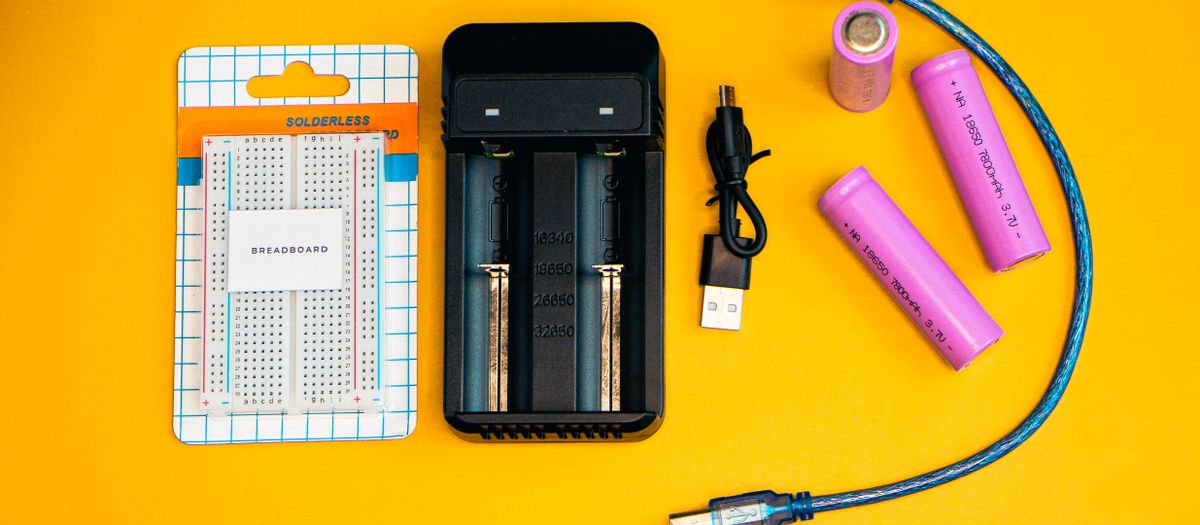
The cell decides a light's size, output, runtime and how you live with it. 18650 is the workhorse — a lithium-ion cell about the size of a fat AA, high capacity, widely supported, the format most serious lights use and the one to standardize on. 21700 is a larger lithium-ion cell with more energy for longer runtime or higher sustained output in a slightly bigger body. AA/AAA trade output for cells you can buy anywhere — ideal for backups. Built-in USB-C seals a rechargeable pack you top up with a cable: brilliantly convenient, but you can't drop in a charged spare the way you can with a swappable cell. The best 18650 flashlight guide is the cart-stack bridge into cells and chargers, and the battery checker confirms which cells, protection types and chargers a given light needs.
Frequently asked questions
What is the ANSI FL-1 standard?
ANSI/NEMA FL-1 is the industry testing standard that defines how flashlight makers measure and report key figures: output in lumens, runtime, peak beam intensity (throw) in candela, impact resistance and water resistance. When a reputable brand prints an FL-1 figure it was measured to that standard, which is why FL-1 numbers are the honest yardstick over marketing lumens.
What is the difference between lumens, candela and lux?
Lumens measure total light output, candela measure how concentrated the brightest part of the beam is (which sets throw), and lux measures how much light lands on a surface at a given distance. A high-lumen flood and a high-candela thrower can put out the same lumens but light completely different things, so both numbers matter.
How do you convert candela to throw distance?
FL-1 defines throw as the distance at which the beam drops to 0.25 lux, about the brightness of a full moon. The math is throw in metres is roughly 2 times the square root of the candela figure, so a 10,000-candela light throws about 200 metres and a 40,000-candela light about 400 metres. The flashlight matcher does this for you.
What is the best battery format for a flashlight?
A single 18650 is the workhorse format — high capacity, widely supported, pocket-friendly. 21700 holds more energy for longer runtime in a slightly larger body. AA and AAA suit simple, low-cost and backup lights. Built-in USB-C is convenient but cannot be swapped for a fresh cell on the go. The best 18650 flashlight guide covers cells and chargers.
How do I read flashlight runtime?
FL-1 defines runtime as the time until output falls to 10% of the starting figure. A quality light uses a regulated driver to hold output steady, with an honest thermal step-down from turbo to a sustainable level. Cheap direct-drive lights fade steadily from the first minute, so compare sustained output and runtime-to-10%, not the peak.
Featured guides
The current published guide in this silo. More land each batch.
Landing next: 18650 battery explained, 18650 vs 21700, FL-1 standard explained, Lumens vs candela vs lux, Flashlight runtime explained, and Best 18650 charger.